Nutrition Tips to Manage PAH
Pulmonary Arterial Hypertension is a condition in which the oxygen carrying arteries are blocked and constricted. This makes it difficult for the individual to breath properly, causing fainting, nausea, and even dizziness. One of the best ways to manage PAH is to modify your food regimen and include ingredients that would best help manage your symptoms.
Before making any changes to what you eat, consult your doctor to ensure it is safe to switch, increase or decrease any particular foods.
1. Salt
Usually one of the first things advised by doctors to patients with PAH is to regulate their salt intake. The excess sodium consumed can be extremely harmful to the body in several ways, and it is important to keep a check on it. Most canned goods or junk food will have high levels of sodium to it, so it would be best to have healthier eating habits.
2. Alcohol
Stimulants like alcohol or even caffeine do more harm than good to your blood pressure. Some people become completely dependent on caffeine to feel active and energised throughout the day; however, the same ingredient is responsible for creating irregular blood pressure. Stick to non-alcoholic beverages and switch to tea instead of coffee to regulate caffeine intake.
3. Iron
According to studies, lack of iron was observed to aggravate the symptoms of pulmonary arterial hypertension. Food items like beans, dark green, leafy vegetables, and some types of meat are supposed to be good sources of iron. Make sure to include these in your meals. It is also observed that vitamin C helps in the absorption of iron from the aforementioned vegetables and foods. Ensure to also include citrus fruits in your food regimen.
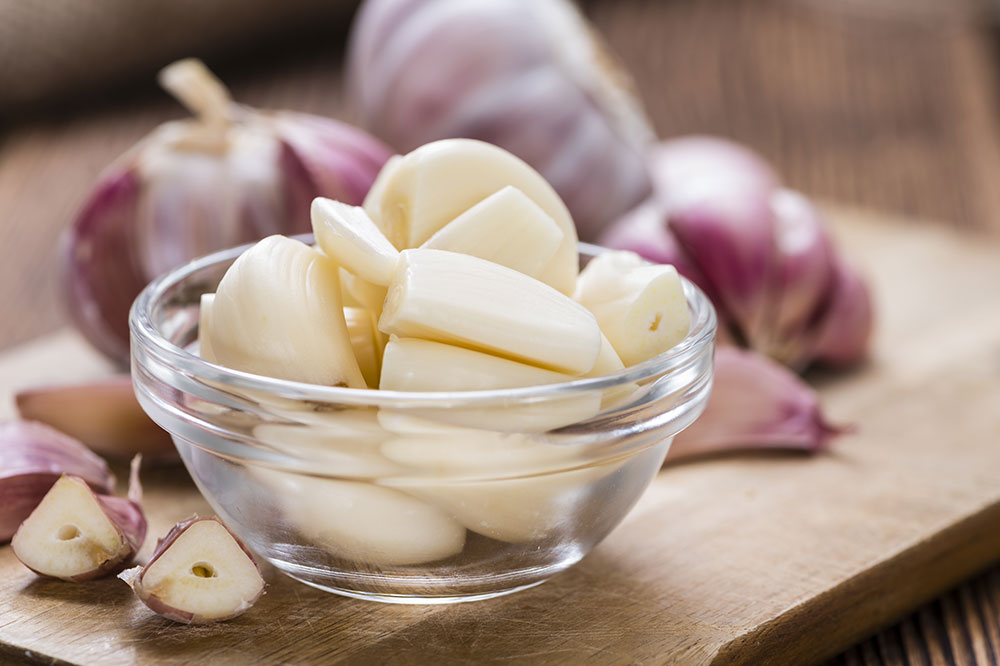
4. Garlic
The allicin found in garlic is a crucial ingredient in keeping blood pressure in check. According to studies, allicin helps widen the blood vessels, allowing for easy flow of blood in the body. However, to get the most benefit of this superfood, you must eat the garlic within an hour of chopping, as it continues to lose this compound with each passing moment. You can either eat raw garlic or cooked; it depends on how you like it.
5. Fluids
According to doctors, many people with PAH are asked to be on a two-litre fluid restriction; however, this quantity may change from person to person. You may speak to your doctor about the fluid restriction and how you need to monitor your intake. If your weight shifts over the course of a day, it is possible that you can consume more water than is necessary for you and hence may have to regulate your fluid intake to avoid any weight issues that can affect PAH.
While eating greens, be careful of vitamin K intake as well as it is responsible for blood thinning, which may be harmful. Getting some guidance from a nutritionist might be a good way to understand your body’s needs and manage the symptoms of PAH.