Include These 6 Nutrients in Daily Meals to Fight Depression
Major depressive disorder or depression is a common yet serious mental illness that negatively affects how a person feels, thinks, and acts. It is estimated that almost five percent of adults suffer from some degree of depression worldwide. While depression is treatable through medication and counseling, it is important to understand that nutrition is important in managing depression. The following article lists some nutrients that contribute to a person’s mental well-being.
1. Vitamins
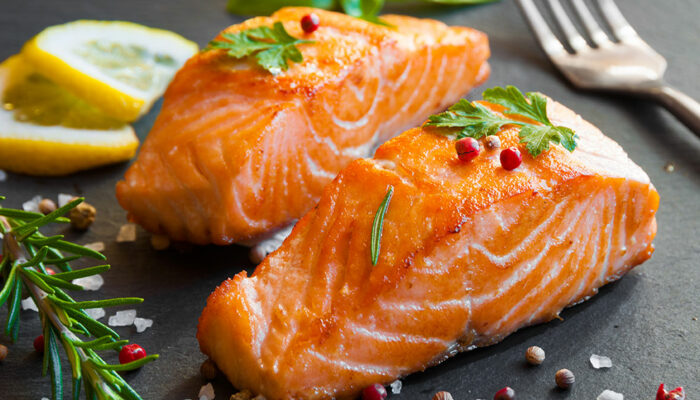
Vitamins, particularly vitamin B12, play a vital role in managing depression as they aid in producing chemicals that can affect brain function. A poor diet indicates low levels of vitamins and hence poor absorption of nutrients, which can increase the risk of suffering from depression. Vitamin B12 is found in foods like animal meats such as liver and kidneys, clams, sardines, fortified cereal, salmon, trout, and milk.
2. Carbohydrates
It has been observed that consumption of refined carbohydrates is directly linked with obesity and diabetes. Foods made from refined carbohydrates such as pizza, pasta, pastries, and other desserts have low glycemic. A low glycemic value indicates that the food will take longer to digest, which increases blood sugar levels and has a detrimental effect on psychological well-being. Hence eating foods made from healthy carbohydrates like beans, lentils, corn, oats, cereals, etc., is recommended. These foods have low glycemic value and keep blood sugar levels under check, thereby keeping signs of depression at bay.
3. Antioxidants
This is one of the key nutrients that can help depression. Our bodies harbor free radicals from the food we eat. These free radicals can cause cell damage and cause aging. Free radicals can also be detrimental to mental health because of their cell-damaging properties. Antioxidants help in eliminating these free radicals, thus preventing cell damage. Some foods that are rich in antioxidants include apricots, broccoli, cantaloupe, carrots, peaches, pumpkin blueberries, grapefruit, strawberries, and tomatoes.
4. Proteins
Alertness is one of the risk factors of suffering from depression. Proteins energize cells with the help of an amino acid called tryptophan that helps make more serotonin, thereby helping with depression. Some protein-rich foods include peas, beans, lean meat, low-fat cheese, fish, milk, soy products, and yogurt.
5. Selenium-rich foods
It has been found that selenium is linked to managing moods. Low selenium levels can contribute to depression. Hence it is recommended to take a certain amount of selenium to reduce the risk of depression. Some selenium-rich foods include beans, legumes, lean meat, low-fat dairy products, nuts and seeds, seafood, whole grains like brown rice, oatmeal, etc.
6. Omega-3 fatty acids
These are some of the most important nutrients for both physical and mental well-being. It has been found that people with lower omega-3 fatty acids are more susceptible to mental illness. Foods like fatty fish, canola and soybean oil, nuts, and dark-green leafy vegetables are rich in omega-3 fatty acids, which can help fight depression.