5 Urban Pollutants Known to Cause Skin Conditions
Air pollution around the world is only increasing, and many health experts now refer to it as a “silent killer.” And the risks involved are not just limited to the respiratory system. A growing body of research shows that air pollution can cause a wide variety of skin health issues, everything from mild acne to skin cancer. Herein, we discuss how some urban air pollutants can affect your skin.
1. Cigarette Smoke
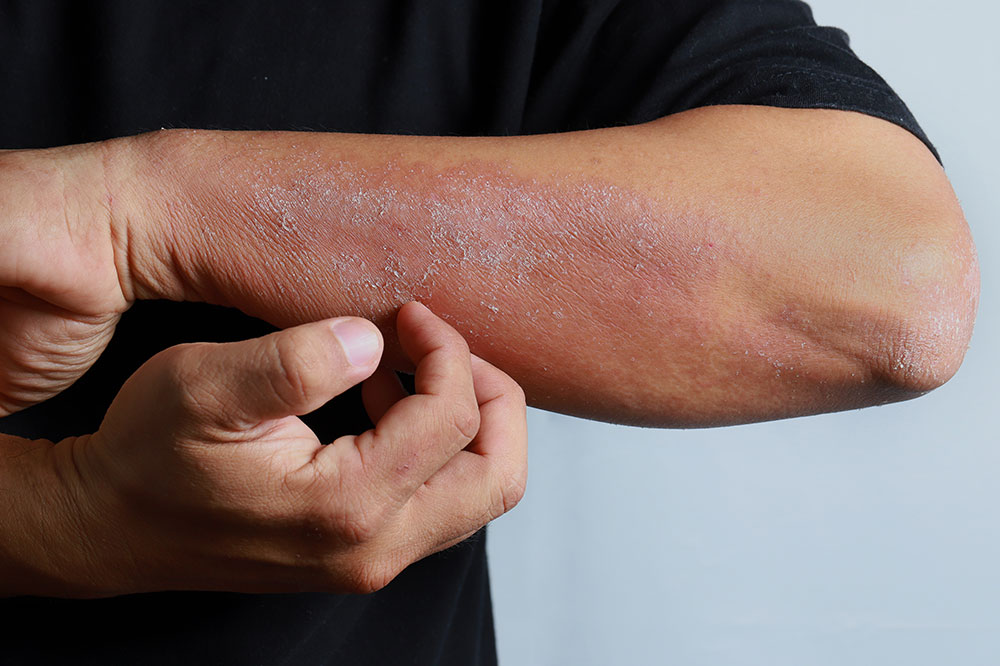
Avoiding cigarette smoke in a city can be difficult for non-smokers. This form or air pollution is a complex mixture of numerous chemicals that can affect skon health. A well-known effect of these chemicals is premature facial aging in smokers. Cigarette smoke is also linked to skin conditions like psoriasis, which is characterized by red, scaly, itchy patches. Some studies also show that tobacco smoking can cause more serious problems like cutaneous squamous cell carcinoma and keratoacanthoma.
2. Ultraviolet Radiation
We know that wearing sunscreen and having the right covering become essential when going out in the sun. Ultraviolet (UV) radiation emitted by the sun can be considered as a type of environmental pollutant as it can have a detrimental effect on the skin. UV rays accelerate skin aging and contribute to the development of skin cancers like malignant melanoma, basal cell carcinoma, and squamous cell carcinoma. Moreover, UV radiation can combine with other city pollutants, significantly increase fine lines and wrinkles, and cause other skin issues like roughness, freckles, and pigmentation changes.
3. Polycyclic Aromatic Hydrocarbons (PAHs)
Benzo[a]pyrene, which is one of the most widespread types of PAH in the atmosphere, is produced mainly due to burning wood. Automobile exhaust fumes and smoke resulting from the combustion of organic materials, including tobacco and garbage, also release benzo[a]pyrene. Long-term exposure to PAHs may cause oxidative stress and skin aging. This group of air pollutants has also been found to play a role in the development of certain skin cancer.
4. Particulate Matter (PM)
Particulate matter is made up of minute solids and liquids suspended in the air. Many of these particles are hazardous. While particles like dust, soot, and smoke, can be easily seen, others are only visible through an electron microscope. Some major sources of PM include factories, automobiles, and construction activities, among others. PM is known to cause skin problems like wrinkles, hyperpigmentation, and nasolabial folds.
5. Volatile Organic Compounds (VOCs)
Most VOCs are man-made chemicals used in the manufacturing of paints, refrigerants, and pharmaceuticals. Additionally, they are integral components of petroleum fuels, dry cleaning agents, and hydraulic fluids. Exposure to VOCs increases the levels of cytokines, which are small proteins that regulate inflammation, and can lead to allergic skin reactions like atopic dermatitis or eczema.