5 Common Ingredients to Avoid in Pet Foods
As a responsible pet parent, you only want the best for your furry buddies – the best of nutrition and exercise. This helps to keep the health of the pet in check. Choosing the right food for dogs and cats is beneficial for their overall health. It is important to understand food labels that define the ingredients used in popular and uncommon brands. Here are a few that you must avoid at all costs.
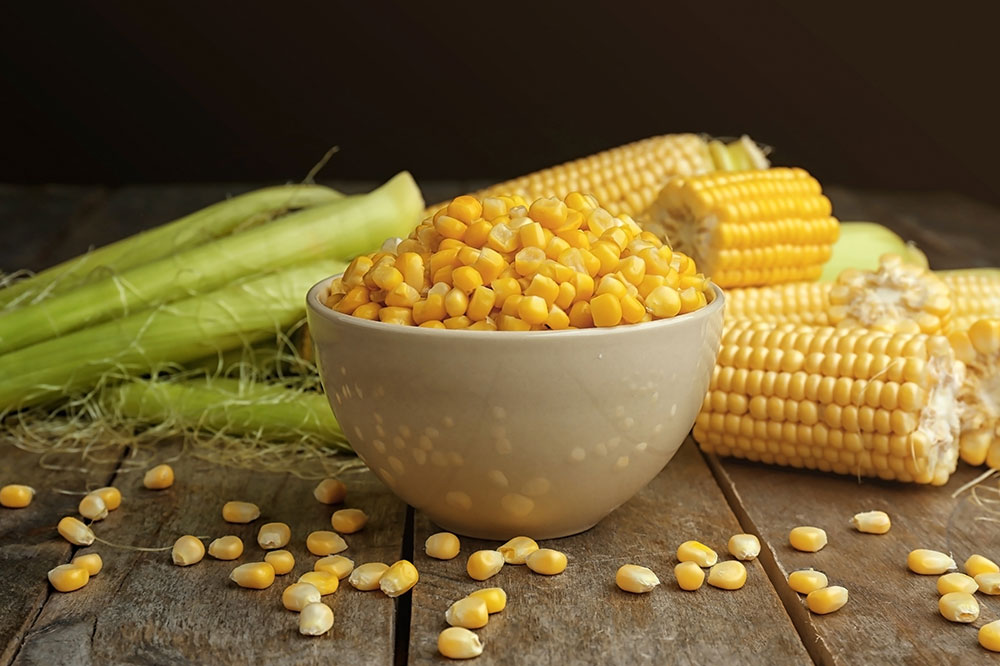
1. Corn, wheat, and soy
Corn has some value but not when used as a primary ingredient in foods for dogs and cats. Avoid brands that incorporate more than 50% grain for wet and dry foods. Whole grains like wheat contain gluten. Gluten is safe for most humans to consume but can trigger severe allergic reactions when ingested by dogs or cats. Lastly, soy may be one of the most inexpensive protein sources, but it can induce allergic reactions in dogs.
2. Grain fillers
Avoid pet foods that include fillers, especially for cats. Carbohydrate and wheat gluten fillers can prove to be quite harmful in excess quantities. As pets age, switching to grain-free options for wet and dry foods for dogs and cats is always the best option. Grain-free foods are rich in protein and generally feature different types of meats, potatoes, peas, chickpeas, lentils, and soybeans.
3. Meat byproducts
Meat is one of the primary ingredients in foods for dogs and cats. But you must pay attention to the food labels and avoid the ones that feature meat byproducts. Examples include meat meals and concentrate meals made by a process called rendering. The downside to this process is that it strips the meat of all-natural enzymes and proteins that make the food nutritious. Moreover, these meals are available in a highly concentrated form and are considered inferior options in comparison to rich meats.
4. Food dyes
Dyes may make the food appear more appetizing, but they are chemicals that don’t add any additional nutritional value at the end of the day. Note that not all high-quality dog foods use coloring agents. But if you see brands using Red 40, Blue 2, and Yellow 5 dyes for coloring, stay clear of these products. Often, dry foods made with food doughs may include titanium dioxide powder as a coloring agent. Try to buy natural organic wet and dry foods that are color, grain, and preservative-free.
5. Artificial flavors and preservatives
Processed foods will have preservatives, additives, and agents that help increase the shelf life of these products. Many brands mainly use these preservatives as it prevents the meat content in the food from going rancid. But most preservatives like butylated hydroxytoluene (BHT) and butylated hydroxyanisole (BHA) may have harmful carcinogenic effects on cats and dogs, increasing the risk of cancer significantly. Flavoring agents are also incorporated to make the food more palatable, and brands must incorporate additional flavor.